🧪 Sterile Compounding & Lab Procedures
Mastering sterile techniques is one of the most demanding skills for a pharmacy professional. Sterile compounding involves preparing medications—such as IV drips and injections—in highly controlled environments where even the smallest particle of dust or a single microorganism can represent a life-threatening risk to the patient.
🚪 Cleanroom Terminology
To work safely in a pharmacy lab, you must master the specific language of the cleanroom environment:
- Laminar Flow Hood: A specialized workbench that directs filtered, sterile air to prevent contamination of the product during preparation.
- Gowning: The strict protocol of putting on sterile personal protective equipment (PPE) before entering a controlled area.
- ISO Class: An international system that classifies air cleanliness. In sterile compounding, we usually work in ISO Class 5 (the cleanest) or ISO Class 7 zones.
- Buffer Area: The "cleanest" room where actual sterile compounding is performed under strict environmental controls.
- Ante Area: The transition zone where staff perform hand hygiene, don gowns/gloves, and prepare supplies before entering the buffer zone.
⚙️ Equipment & Measurement Tools
Lab accuracy depends on the correct selection and use of sterile equipment. In the cleanroom, every tool has a specific purpose and must be handled with care.
| Tool | Clinical Use |
|---|---|
| Syringe | To measure and transfer precise doses of liquid medications. |
| Vial | A small glass or plastic container intended for injectable drugs. |
| Alcohol Swab | Disposable pads saturated with 70% IPA for disinfecting surfaces. |
| Graduated Cylinder | Used for measuring large volumes of liquid with high precision. |
Aseptic Techniques Foundation:
- Disinfection: Always wipe all supplies with 70% isopropyl alcohol before placing them in the hood.
- Airflow Mastery: Never place your hands or objects behind a sterile product; this blocks the "first air" from the HEPA filter.
- Full PPE: Ensure no skin is exposed (gloves, gown, mask, and hair cover).
☢️ Safety Protocols & Documentation
Safety in sterile compounding protects both the patient and the technician. Compliance with regulations like USP <797> is mandatory to ensure medication quality.
- Verification: Double-check expiration dates and batch numbers before starting.
- Labeling: Every product must have a label stating the drug name, strength, date, time of prep, and the preparer's initials.
- Waste Management: Dispose of needles in sharps containers and contaminated materials in biohazard bins.
- The Compounding Log: Document every step clearly. If it wasn't documented, it wasn't done.
Note: Always discard materials immediately if you suspect a breach in aseptic technique (e.g., touching the needle tip).
🧪 Master Vocabulary Library
Review this visual guide to finalize your understanding of the sterile laboratory environment.
| Term | Definition | Visual Reference |
|---|---|---|
| HEPA Filter | High-efficiency particulate air filter that removes 99.97% of particles. |  |
| Mortar & Pestle | Traditional tools used for grinding and mixing solid substances. | 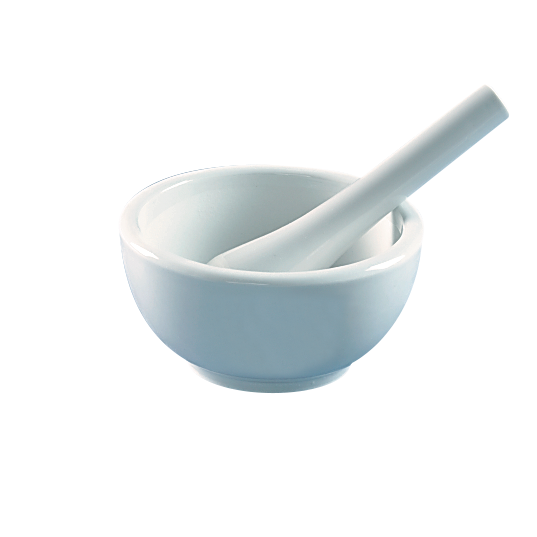 |
| IV Bag | A container used for delivering intravenous solutions and medications. |  |
| Sharps Container | Puncture-resistant box for safe disposal of needles. |  |
Refer to your full compounding log for the complete list of 16+ essential lab terms.
¡Hora de hacer ejercicios! Explora con los botones los distintos grupos.
Sterile Compounding – Multiple Choice Questions
Sterile Compounding – Open Cloze Activity
EXAM REPORT
