🏥 Hospital Pharmacy: Professional Collaboration
Working in a hospital setting is significantly different from community practice. It requires constant, real-time collaboration with doctors, nurses, and specialists. As a hospital pharmacist, you are an essential part of the healthcare team, ensuring that every inpatient receives the most effective and safest therapy possible.
🤝 Communicating with the Healthcare Team
Precision and clarity are vital when discussing patient cases. Use these professional phrases during your daily interactions:
- "Could you clarify the dosage on Mr. Ruiz’s prescription? It seems inconsistent with his renal function."
- "The patient in bed 7 requires an antibiotic adjustment based on the latest lab results."
- "I've identified a potential drug-drug interaction between this new medication and the one prescribed yesterday."
- "The IV (intravenous) line is prepared and ready for administration."
Professional Tip: Always use the patient's bed number or full name to avoid identification errors.
📋 Medication Charts and Clinical Rounds
During hospital rounds, the multidisciplinary team reviews the Medication Administration Record (MAR). The pharmacist's role is to verify that the route, frequency, and dosage are appropriate for the patient's current status.
| Medication | Dose | Route | Frequency | Clinical Notes |
|---|---|---|---|---|
| Paracetamol | 500 mg | Oral | Every 6 hours | PRN (As needed) for fever or mild pain. |
| Ceftriaxone | 1 g | IV | Once daily | Indicated for community-acquired pneumonia. |
🚨 Patient Safety: Reporting Errors and Reactions
In a hospital, a small error can have significant consequences. Pharmacists act as a safety net. If you detect a discrepancy or a patient experiences an adverse reaction, you must document it immediately using the hospital's reporting system.
How to Communicate Issues Clearly:
- "The dose recorded on the medication chart does not match the original physician's prescription."
- "The patient has developed a widespread rash after the first dose of Amoxicillin; we suspect an allergic reaction."
- "We need to file a formal medication incident report to analyze why this discrepancy occurred."
- "This event must be documented in the patient's electronic health record and communicated to the attending physician."
Note: Incident reporting is a non-punitive process focused on improving hospital systems and preventing future errors.
🖼️ Visual Reference: Hospital Pharmacy Components
Review these key elements to better understand the infrastructure and documentation systems used in a clinical environment.
| Reference | Professional Description |
|---|---|

![]() | The Clinical Pharmacist: Acts as a consultant for the medical team to optimize drug therapy and patient outcomes. |
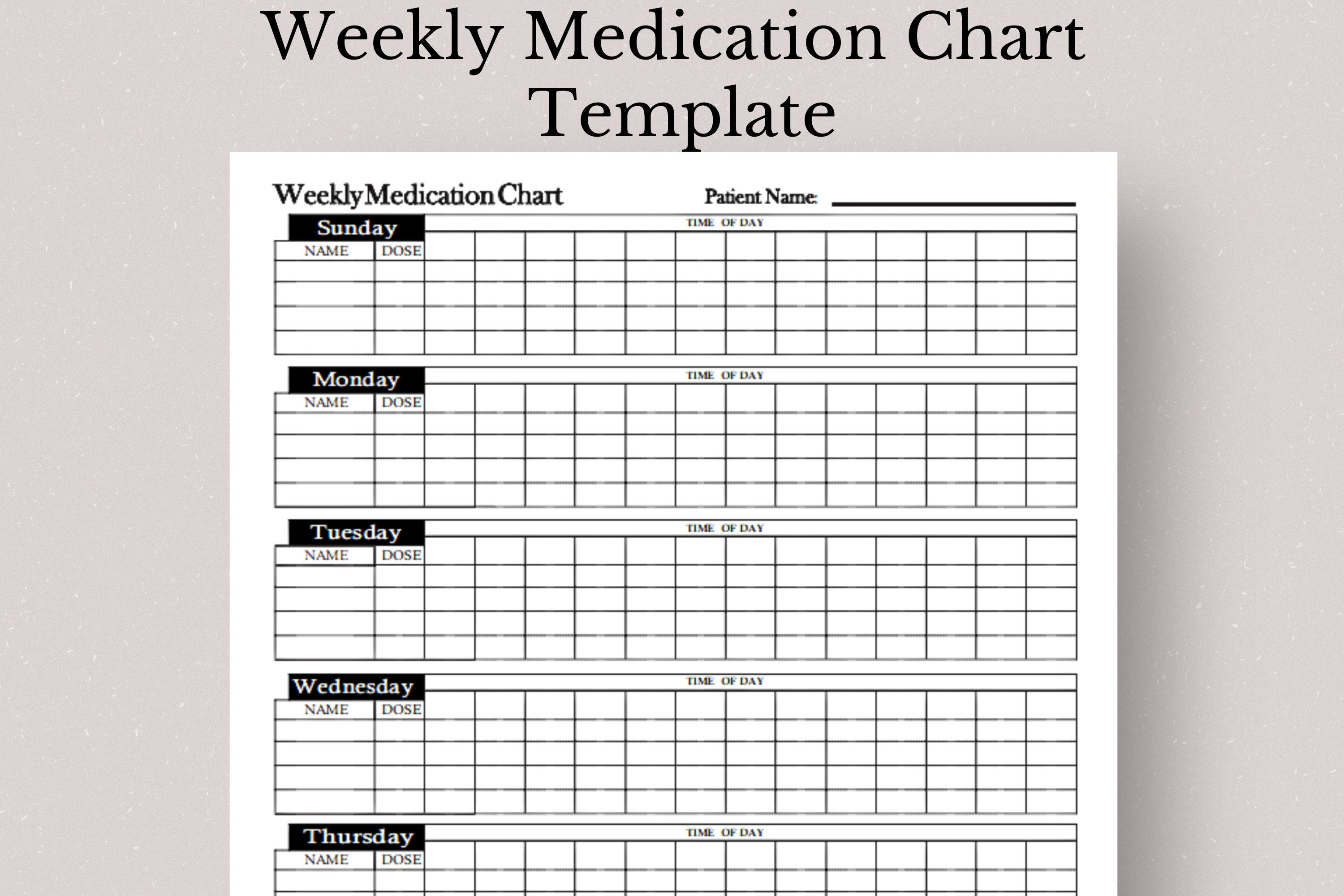
![]() | The Medication Chart: The central document for tracking every dose administered to an inpatient. |
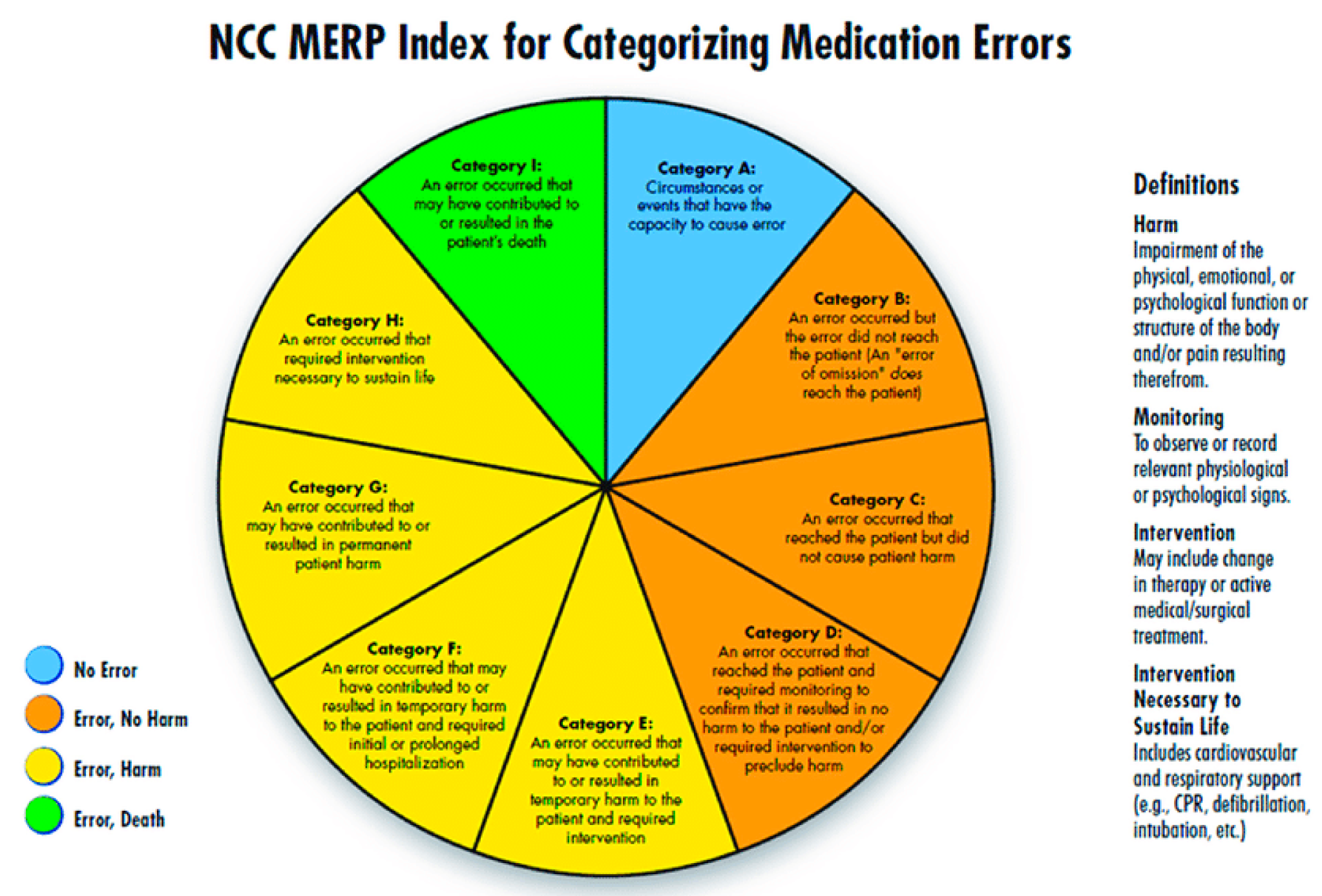
![]() | Error Reporting Systems: Digital or paper-based tools used to flag safety concerns and improve pharmacy protocols. |
¡Hora de hacer ejercicios! Explora con los botones los distintos grupos.
Multiple Choice: Hospital Pharmacy Communication
Open Cloze: Hospital Communication and Safety
WARD ROUND
MISSION:
Respond to the clinical team using precise professional English. Accuracy is key to patient safety.


