Lesson 1: Pharmacy English Fundamentals
Welcome to your first Pharmacy English lesson! In this professional journey, communication is as vital as the medicine itself. Understanding the precise terminology for medication forms ensures patient safety and professional excellence.
Essential Forms of Medication
As a pharmacist, you must be able to recognize and explain different physical forms of medication to patients. Each form has a specific way of being metabolized and administered.
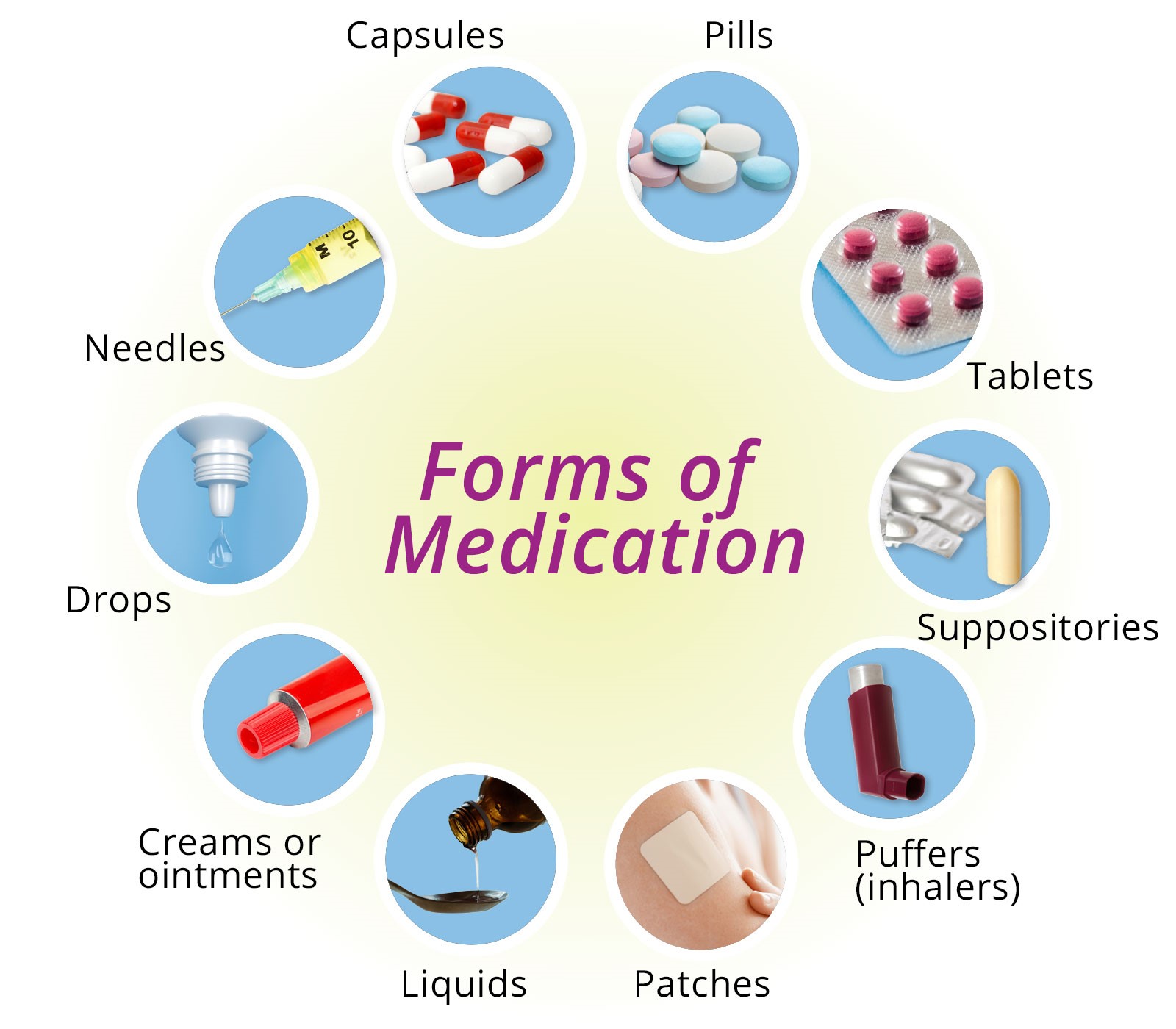
| Form | Common Example | Professional Sentence |
|---|---|---|
| Tablet | Paracetamol 500mg | "Take one tablet every 8 hours." |
| Capsule | Amoxicillin 250mg | "Swallow one capsule with a full glass of water." |
| Ointment | Hydrocortisone cream | "Apply a small amount to the affected area thin and evenly." |
| Drops | Ophthalmic drops | "Instill two drops in each eye twice a day." |
| Syrup | Cough suppressant | "Take 10 ml using the measuring cup before sleeping." |
The Structure of a Prescription
A formal prescription is a legal document. Understanding its anatomy is the final step in professional pharmaceutical dispensing.
- Patient Information: Full name and identifiers (DOB).
- Medication Name: Can be the chemical (generic) or brand name.
- Dosage & Quantity: The strength and total amount to be dispensed.
- Instructions (Sig): Specific directions for use.
- Refills: How many times the medication can be repeated.
- Prescriber Info: Name, professional license, and signature.

Practical Case Study:
How would you explain this prescription to a patient?
Drug: Ibuprofen 400mg
Directions: Take one tablet TID with food
Refills: 0
Prescriber: Dr. Smith (ID: 123456)
Translation for the patient: "Ms. González, please take one tablet of Ibuprofen three times a day, making sure to take it with a meal to avoid stomach upset."
VOCABULARY REVIEW
Let's practice your Pharmacy English!
HOW TO PLAY
Test your knowledge by connecting the correct pairs!
- 1. Click a Term on the left.
- 2. Click its Definition on the right.
- Green means it's correct!
- Red means try again.
Try to get 6 hits with 0 errors!