Pharmacy Ethics and Legal English: Fundamentals
Ethics in pharmacy is not just about doing what is "right"; it is about fulfilling a legal and professional contract with society. Mastering the Legal English of ethics ensures you protect both your patients and your professional license.
⚖️ The Four Pillars of Pharmaceutical Ethics
Every decision in the pharmacy must be weighed against these four fundamental principles:

🤝 Informed Consent: Clinical & Legal Requirements
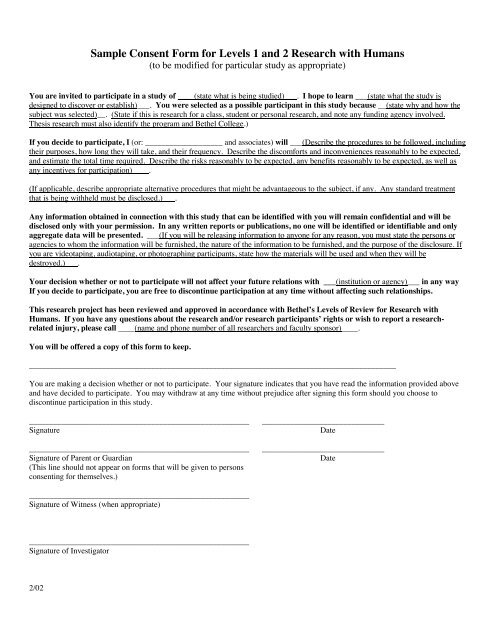
In legal terms, Informed Consent is the process by which a patient voluntarily confirms their willingness to undergo a specific therapy after being informed of all aspects of the treatment.
Key Terminology:
- Implicit Consent: Indicated by the patient's actions (e.g., holding out their arm for a flu shot).
- Explicit/Express Consent: Written or oral agreement, usually required for high-risk treatments or clinical trials.
- Capacity: The patient's legal and mental ability to provide valid consent.
- Full Disclosure: The pharmacist's duty to explain risks, benefits, and alternatives.
- "Do you understand the potential side effects I have described?"
- "Are you providing your consent to proceed with this medication therapy?"
- "Please sign this authorization form to confirm you have been informed of the risks."
Sample Documentation: Informed Consent Form
🔒 Confidentiality and Data Protection
Pharmacists handle Sensitive Personal Data. In Legal English, a breach of confidentiality is not just unethical—it is a criminal offense in many jurisdictions.
HIPAA (USA)
Health Insurance Portability and Accountability Act. Focuses on "Protected Health Information" (PHI).
GDPR (Europe)
General Data Protection Regulation. Governs how personal data is processed and stored.
Legal Vocabulary:
- Breach of Confidentiality: Unauthorized disclosure of patient information.
- Non-Disclosure Agreement (NDA): A legal contract to protect private information.
- Anonymization: Removing identifiers from data for research purposes.
- Right to Access: The patient's right to see their own medical records.
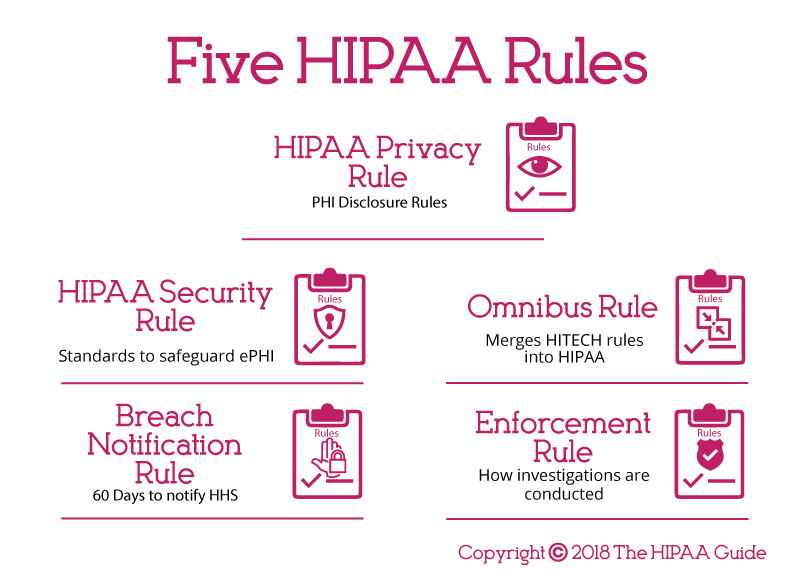
Source: Compliancy Group - HIPAA Privacy Standards
📝 Professional Documentation & Liability
In a court of law, your documentation is your only defense. Accurate, objective, and timely records are essential to mitigate Professional Liability (Legal responsibility).
The "SOAP" Note Format:
Most English-speaking healthcare systems use the SOAP method for clinical documentation:
| Component | Description |
|---|---|
| Subjective | What the patient tells you (symptoms, concerns). |
| Objective | Measurable data (blood pressure, lab results, medications dispensed). |
| Assessment | Your professional evaluation of the situation. |
| Plan | The steps to be taken (dosage changes, follow-up, referrals). |
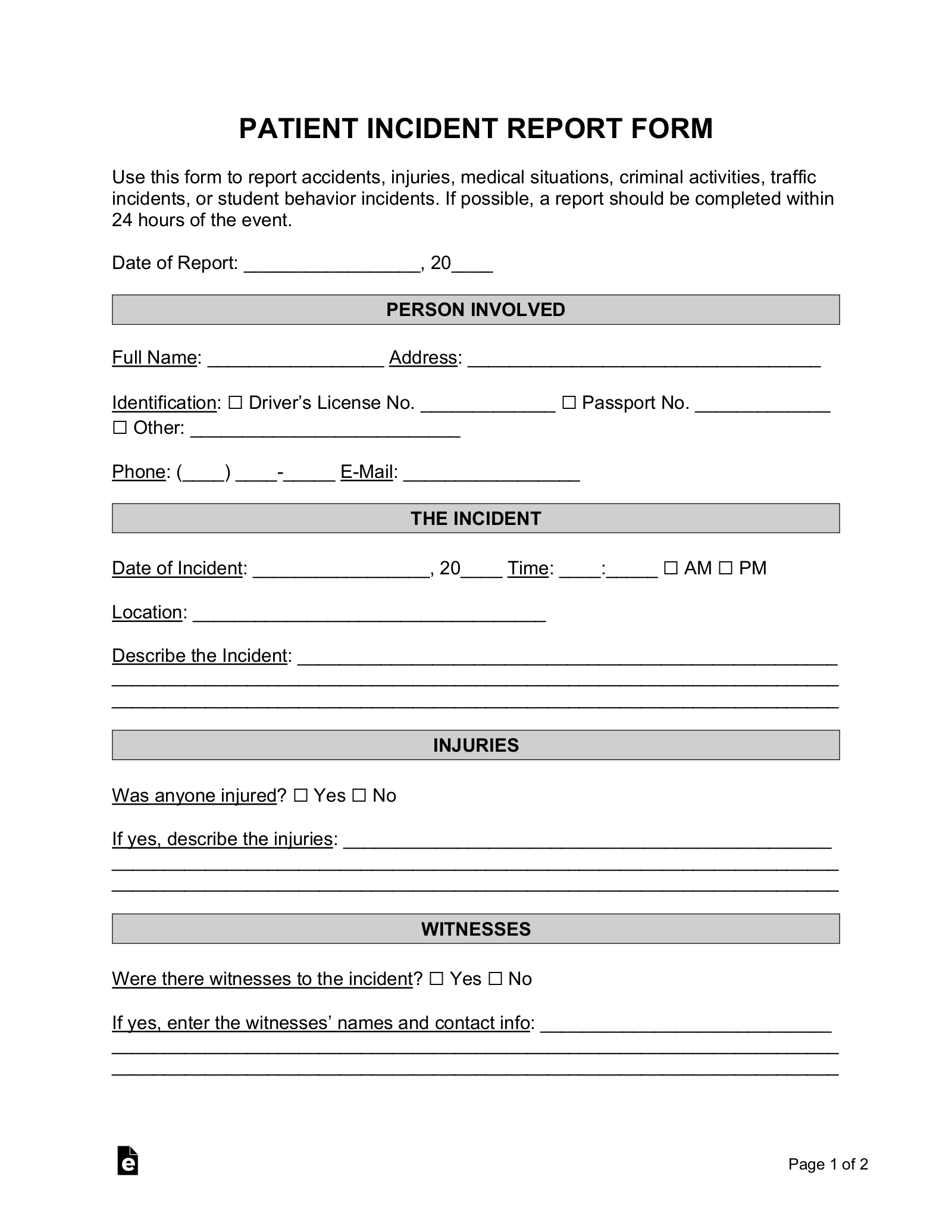
Standard Incident Report Template:
Confidential Dossier
Loading secure files...
KEY PRINCIPLES

CASE: 0/10