Autor: Mentes Altus Team

👥 Patient Interaction in the Pharmacy

Talking to patients is one of the most important parts of a pharmacist’s job. It is a clinical responsibility that ensures the patient understands their therapy. It’s not just about giving the medicine; it's about patient care and safety.

Effective communication allows you to:

  • Build a relationship of trust (rapport).
  • Ensure the patient knows how to use the medication.
  • Identify potential barriers to treatment adherence.

As a pharmacist, you should always speak clearly, use non-technical language when possible, and ask the right questions.

🩺 Asking About Symptoms

To provide an accurate recommendation, you must conduct a brief clinical interview. Use open questions to let the patient describe their problem in detail without being influenced by your suggestions.

Key Questions to Ask:

  • The "What": What symptoms do you have? (Identify the primary complaint).
  • The "When": When did they start? (Determine if the condition is acute or chronic).
  • The "Type": Is the pain sharp, dull, or burning? (Assess the nature of the pain).
  • The "History": Have you taken any medication for it already? (Check for self-medication).
Pharmacist Consulting Patient

Source: istockphoto - Pharmacist Speaking with a Patient at the Counter

🤧 Asking About Allergies and Medical History

Safety is the priority. Always ask these questions before suggesting any medicine to avoid Adverse Drug Reactions (ADRs) or dangerous interactions.

  • Allergies: Do you have any allergies to medications? (Crucial for antibiotics and NSAIDs).
  • Interactions: Are you taking any other medications? (Including herbal supplements).
  • Chronic Conditions: Do you have any conditions like diabetes, hypertension, or asthma?
  • Special Groups: Are you pregnant or breastfeeding? (Many drugs cross the placental barrier).

💊 Explaining Dosage and Side Effects

Once the medication is selected, you must ensure the patient knows how to use it correctly and what to expect during treatment.

What to ExplainExample Sentence
Dosage"Take one tablet every 8 hours with food."
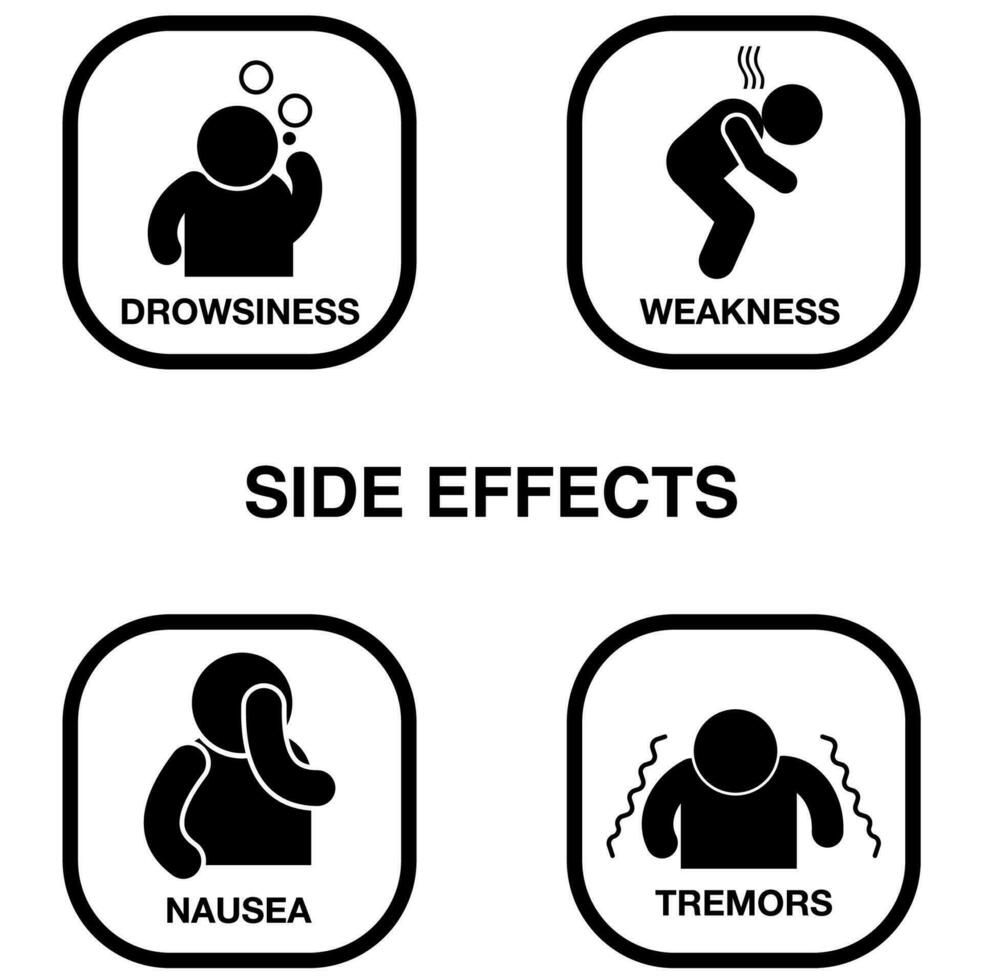
Side Effects"This medicine may cause drowsiness or dry mouth."
Contraindications"Do not take this if you are allergic to penicillin."
Red Flags"If you feel difficulty breathing, stop the medicine and go to the hospital."
Side Effects Icons

Source: Vecteezy - Side Effects Icons

🛒 Advising on Over-the-Counter (OTC) Medications

OTC medicines are those that do not require a prescription. However, they still require professional advice to be used safely.

Typical phrases to use with patients:
  • "This is an over-the-counter medication for headaches."
  • "You can take one capsule every 6 hours as needed."
  • "If the symptoms don’t improve in 3 days, please see a doctor."
  • "This cream is for external use only. Don’t apply it to open wounds."
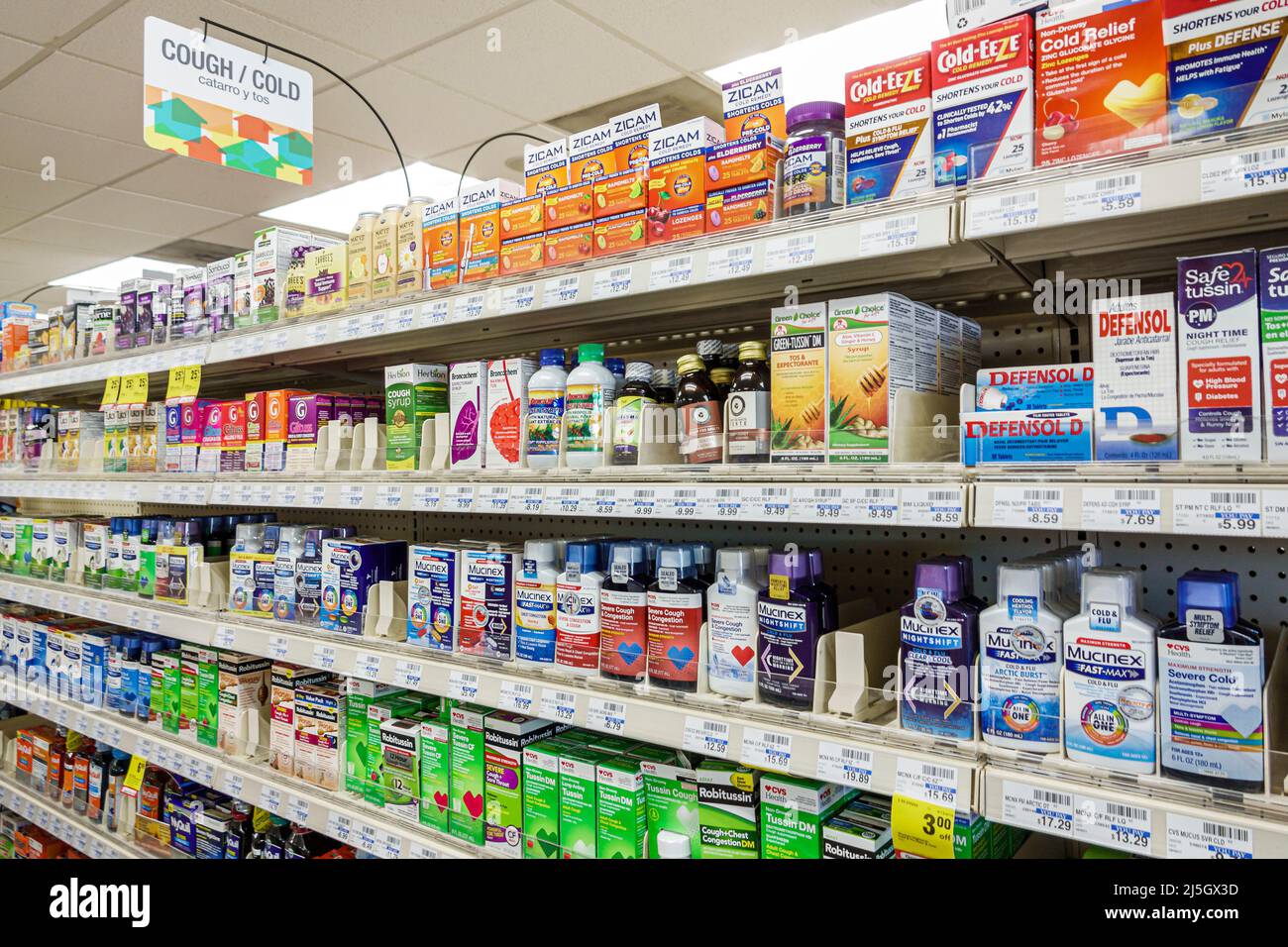
OTC Products Shelf

OTC Shelf (Alamy)

Warning Label

Warning Labels (Vecteezy)

×

PHARMA RECALL

Round: 10 Random Drugs

QUESTION 1 / 10
...

RESULTS

0 PTS
HITS: 0 / 10

INSTRUCTIONS

  • Challenge: Identify the category for 10 random drugs.
  • Feedback: Buttons flash GREEN for correct and RED for wrong.
  • Score: The faster you click, the more points you earn.
  • Final Results: Check your score and accuracy at the end.

¡Hora de hacer ejercicios! Explora con los botones los distintos grupos.

Multiple Choice: Patient Interaction and Counseling

Pregunta 1: What is the primary purpose of patient counseling in pharmacy?
Pregunta 2: Which question is appropriate when assessing a patient's allergies?
Pregunta 3: When explaining dosage, which statement is clear and appropriate?
Pregunta 4: What does 'OTC' stand for in pharmacy terms?
Pregunta 5: Which of the following is a common side effect that should be communicated to patients?
Pregunta 6: Why is it important to ask about a patient's medical history?
Pregunta 7: Which phrase is suitable when advising on OTC medication?
Pregunta 8: What should a pharmacist do if a patient reports a side effect?
Pregunta 9: Which is an example of a contraindication?
Pregunta 10: What is a key component of effective patient counseling?
Inglés · Profesiones · Farmacia
Lección 1 de 10

Pharmacy Patient Counseling in English: How to Talk About Medication and Health History

← Volver a las lecciones ‹ Lección anterior Siguiente lección ›
Traducción Selecciona una frase para traducir.
Scroll al inicio