Have you ever tried to read a doctor’s handwriting and felt like you were decoding a secret message? In the pharmacy world, this "decoding" is a critical skill that ensures patient safety.
Reading Handwritten and Electronic Prescriptions
Prescriptions are the primary communication tool between doctors and pharmacists. They come in two main formats: handwritten (the traditional way) and electronic (the modern standard).
🖊️ Handwritten Prescriptions
Handwritten scripts require a keen eye for cursive styles and a deep knowledge of Latin abbreviations.
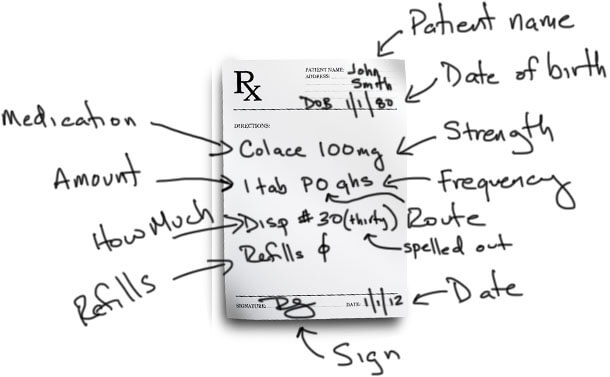
- Drug Name: Often written in shorthand. If the spelling is unclear, never guess—verify with the prescriber.
- Dosage & Frequency: Doctors use Latin shorthand like BID (twice a day), TID (three times), or PRN (as needed).
- Quantity: Often indicated with the "#" symbol (e.g., "#30" means dispense thirty tablets).
- Instructions (Sig): The specific directions for the patient, usually following the word "Signa".
💻 Electronic Prescriptions (e-Rx)
These are generated through clinical software, significantly reducing errors. They include standardized sections:
- Patient Info: Full name, DOB, and contact details.
- Drug Details: Standardized generic or brand names with precise dosage forms.
- Refills: Clearly stated number of authorized repeats, preventing confusion.
Verbal and Repeat Prescriptions
Beyond written orders, pharmacists often manage verbal communications and long-term treatment cycles.
📞 Verbal Prescriptions
Common in emergency or hospital settings. Because they are prone to misinterpretation, they follow the "Read-Back" Protocol:
Step 1: Receive. The doctor gives the order.
Step 2: Write. The pharmacist writes it down immediately.
Step 3: Confirm. The pharmacist reads it back exactly as written.
Example:
Doctor: “Give 1 tablet of Paracetamol 500 mg every 6 hours if the temperature exceeds 38°C.”
Pharmacist: “Confirmed – one tablet of 500 mg Paracetamol every 6 hours if fever is above 38°C.”
🔁 Repeat Prescriptions
Used for chronic conditions (hypertension, diabetes). It allows patients to get refills without a new consultation until the authorization expires.
- Understanding the Counter: If you see "Refill 2/3", it means the patient is receiving their second authorized supply out of a total of three.
Prescription Errors and Clarification Protocols
As a pharmacist, you are the final safety barrier. If something doesn't look right, it is your professional duty to intervene.
⚠️ When to Ask for Clarification:
- The drug name is not perfectly legible.
- The dosage seems outside the normal therapeutic range (too high or too low).
- Crucial info like the Route of Administration (e.g., oral vs. topical) is missing.
- You detect a potential drug-drug interaction or a known patient allergy.
Best Practices for Clarification
When you contact a doctor to clarify a script, follow these professional steps:
- Be Professional: Politely call the prescriber and state your concern clearly.
- The "Three C's": Confirm Spelling, Dose, and Timing.
- Document: Write down the name of the person you spoke with, the time, and the changes made to the prescription.
"A quick phone call can save a life. Never assume; always verify."