Autor: Mentes Altus Team

⚠️ Pharmacovigilance & Side Effects

Learn to report side effects and follow up with patients in professional English. Pharmacovigilance is the science and activities relating to the detection, assessment, understanding, and prevention of adverse effects or any other drug-related problem.

As a pharmacist, you are the first line of defense. When medications reach the general public, monitoring continues to ensure long-term safety. Your role involves identifying Adverse Drug Reactions (ADRs) and communicating them clearly to regulatory bodies.

💥 Collecting Patient Information

When a patient reports a suspected side effect, precision is key. Use these open-ended questions to gather the necessary data:

  • "When exactly did the reaction start?"
  • "What specific symptoms did you experience?"
  • "Did you stop taking the medicine immediately?"
  • "Have you experienced this type of reaction before with other medications?"

Describing Adverse Drug Reactions (ADRs)

To report an event accurately, you must use precise clinical descriptors. Here are the most common symptoms and how to describe them in a professional report:

SymptomClinical Example Sentence
Rash"The patient developed a generalized red rash on their arms and torso."
Swelling"There was visible localized swelling on the lips and eyelids (angioedema)."
Dizziness"The patient reported feeling lightheaded or dizzy shortly after the first dose."
Nausea"They experienced persistent nausea within 30 minutes of drug ingestion."

Note: Always specify the time elapsed between administration and the onset of the symptom.

📤 Reporting to Regulatory Authorities

Depending on your location, you will interact with different agencies. Reporting is not optional; it is a professional requirement to keep the global database updated.

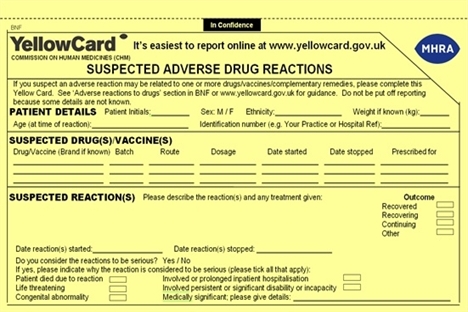
  • MHRA (UK): Medicines and Healthcare products Regulatory Agency. Uses the Yellow Card system.
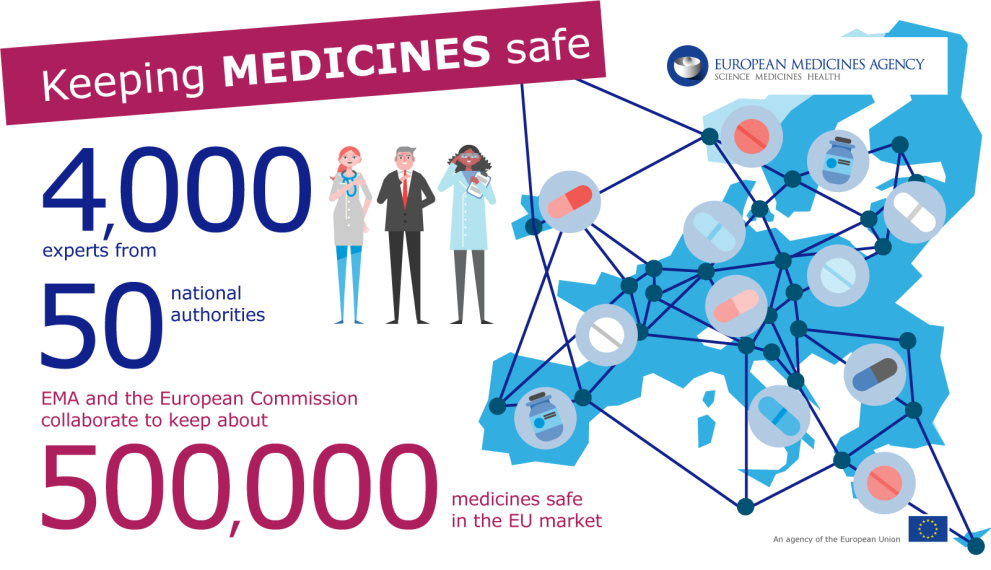
  • EMA (EU): European Medicines Agency. Coordinates safety monitoring across Europe.
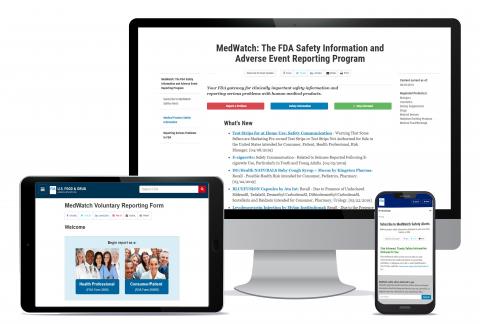
  • FDA (USA): Food and Drug Administration. Uses the MedWatch system for adverse events.

Professional Reporting Language

Use these formal phrases when documenting or discussing a report:

  • "We have officially submitted a Yellow Card report to the MHRA regarding this batch."
  • "The adverse reaction was documented in detail and forwarded to the EMA database."
  • "Our team used the FDA MedWatch system to flag this unexpected event."

📞 Patient Follow-Up & Systems Reference

Closing the loop with the patient is essential. Follow-up ensures they are recovering and prevents them from accidentally taking the medication again.

Common Follow-Up Scenarios:

  • "Hello, we are following up on your reported reaction to amoxicillin. How are you feeling today?"
  • "Based on these symptoms, you should not continue taking this medication. Please see your doctor immediately for an alternative."
  • "We have successfully submitted the safety report and will keep your healthcare provider informed."
×

¡Hora de hacer ejercicios! Explora con los botones los distintos grupos.

Pharmacovigilance: Multiple Choice Quiz

Pregunta 1: What does 'ADR' stand for?
Pregunta 2: Which agency is responsible for pharmacovigilance in the UK?
Pregunta 3: Which of the following is a common symptom of a drug side effect?
Pregunta 4: How do you report a side effect in the United States?
Pregunta 5: What is the primary purpose of pharmacovigilance?
Pregunta 6: What information is important when describing an ADR?
Pregunta 7: Which organization operates across the European Union?
Pregunta 8: What should you do after a patient reports an ADR?
Pregunta 9: What phrase would you use to show empathy when a patient reports an ADR?
Pregunta 10: Which term means the system for checking medication safety after release?
RED:
EMERGENCY
BLUE:
QUALITY
GREEN:
COMMON

Loading...

SCORE: 0/10

SAFETY GUIDE

🔴 EMERGENCY Life-threatening: Swelling, Breathing, Cardiac.
🔵 QUALITY Product issues: Broken, Mold, Foreign objects.
🟢 COMMON Side effects: Drowsiness, Nausea, Headache.

COMPLETE

Inglés · Profesiones · Farmacia
Lección 8 de 10

Pharmacovigilance English: How to Report and Communicate Side Effects Safely

Traducción Selecciona una frase para traducir.
Scroll al inicio