🎨 Introduction to Branding and Brand Identity

Understanding branding and brand identity is essential for marketing professionals who want to create memorable, recognisable and trusted brands.

Although these concepts are closely connected, they do not mean exactly the same thing:

  • Brand: The overall perception, reputation and associations connected with a company, product or service.
  • Branding: The strategic process of creating and managing how a brand is presented and perceived.
  • Brand Identity: The visual and verbal elements used to express the brand, including its logo, colours, typography, imagery and tone of voice.
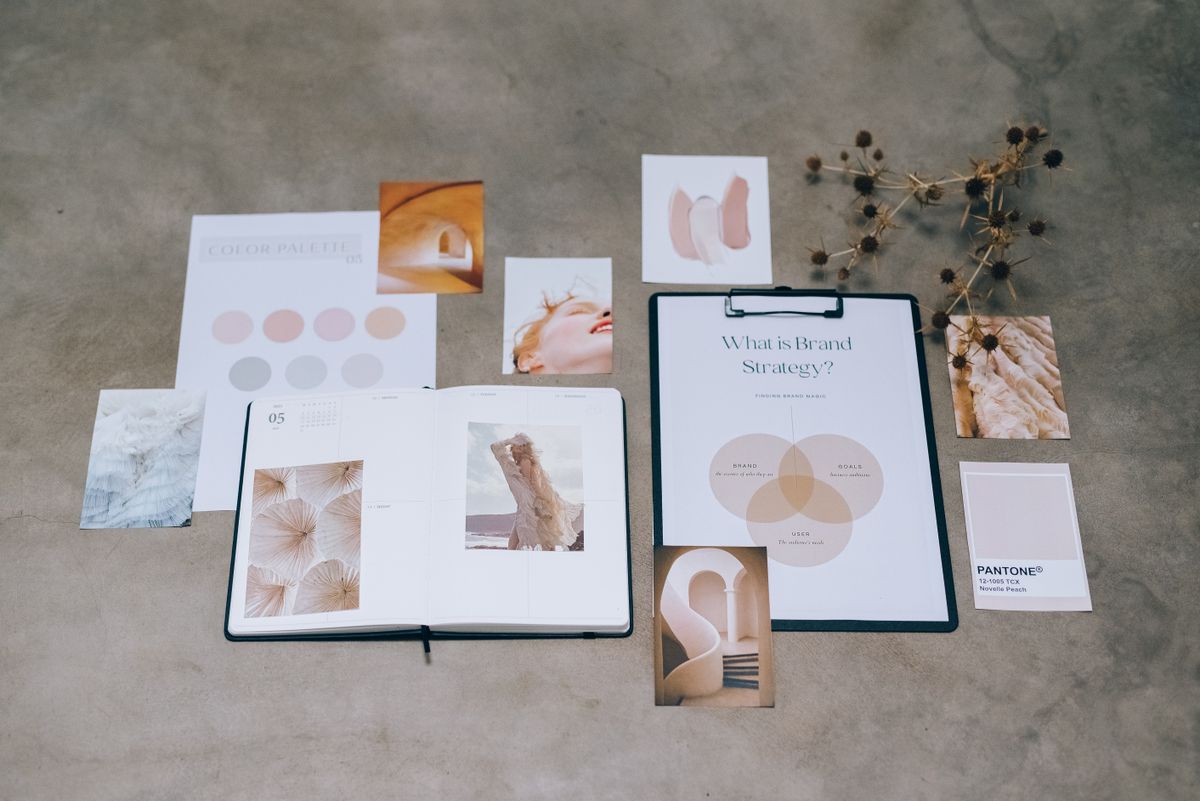
Brand strategy materials with colour palettes and visual identity elements

Why Is Branding Important?

  • Builds Customer Loyalty: Effective branding can foster trust and emotional connections, encouraging repeat purchases and long-term customer relationships.
  • Differentiates the Company: A distinctive brand identity helps customers recognise a company and understand how it differs from its competitors.
  • Supports Business Growth: A strong brand can improve perceived value, attract partnerships and support expansion into new markets.

🎯 Lesson Objectives

By the end of this lesson, you will be able to:

  • Explain the difference between a brand, branding and brand identity.
  • Identify the main visual and verbal elements of a brand.
  • Use essential and advanced branding vocabulary.
  • Describe branding processes using the passive voice.
  • Discuss brand consistency, loyalty, positioning and recognition.
  • Analyse a professional email about a brand identity update.

💬 Warm-up Questions

  1. Which brands can you recognise without seeing their names?
  2. Which colours, symbols or messages do you associate with them?
  3. What makes a brand appear trustworthy?
  4. Can a company have a good product but a weak brand identity?

📘 Core Branding Vocabulary — Part 1

Study the following terms. Pay attention to the difference between the complete perception of a brand and the individual elements used to represent it.

ImageWordDefinitionExample
Laptop displaying branding elementsBrand The overall identity, reputation and set of associations connected with a company, product or service. The company has developed a trusted brand in the education sector.
Brand identity moodboard with colours and creative materialsBrand Identity The visual and verbal elements used to present a brand, including its logo, colours, typography, imagery and tone of voice. The new brand identity uses a minimalist logo and a warmer colour palette.
Marketing data displayed on a digital tabletBrand Awareness The degree to which consumers know, recognise or remember a brand. The advertising campaign increased brand awareness among young professionals.
Marketing team studying customer researchTarget Audience The specific group of people a brand primarily wants to reach and influence. The target audience for the campaign consists of international students.
Carefully designed product packagingPackaging The materials and design used to contain, protect and present a product. The sustainable packaging reinforces the company's environmental values.

📘 Core Branding Vocabulary — Part 2

ImageWordDefinitionExample
Recognisable symbol representing a brandLogo A graphic symbol, emblem or wordmark used to identify a brand visually. The logo was simplified so that it would remain clear on mobile screens.
Brand guidelines with colours and visual identity materialsBrand Guidelines A documented set of rules explaining how a brand should be presented visually and verbally. The designer reviewed the brand guidelines before creating the advertisement.
Digital platform displaying professional brand communicationBrand Message The central idea, promise or meaning that a brand communicates to its audience. The brand message focuses on personal support, quality and innovation.
Business handshake representing trust and loyaltyBrand Loyalty The tendency of customers to continue choosing the same brand over its competitors. Reliable customer service helped the company build strong brand loyalty.
Creative team discussing a new brand strategyRebranding The strategic process of changing an existing brand's identity, positioning or public presentation. The company completed a rebranding project to appeal to a younger audience.

✅ Core Vocabulary Check

A. Match Each Description with the Correct Term

  1. The complete set of visual and verbal elements used to represent a company: ____________________
  2. The degree to which consumers know or remember a company: ____________________
  3. The group of people that a company primarily wants to reach: ____________________
  4. The rules governing the use of colours, typography, logos and language: ____________________
  5. The process of changing how an existing company is presented: ____________________

B. Explain the Difference

  1. What is the difference between a brand and a logo?
  2. What is the difference between brand awareness and brand loyalty?
  3. Why is packaging considered part of brand identity?

🧩 Grammar Focus: Passive Voice in Branding

The passive voice is formed with the verb to be in the appropriate tense followed by the past participle of the main verb.

Structure

Subject receiving the action + to be + past participle + optional agent

The new logo was designed by an external agency.

Common Passive Forms

TenseStructureBranding Example
Present Simpleam / is / are + past participleThe same logo is used on every platform.
Past Simplewas / were + past participleThe brand was created in 2018.
Present Perfecthas / have been + past participleThe brand guidelines have been updated.
Futurewill be + past participleThe new identity will be launched next month.

Why Is the Passive Voice Used?

  • To focus on the brand, product, action or result.
  • When the person responsible is unknown or unimportant.
  • To describe formal processes and company procedures.

Examples

  • The brand is associated with quality and innovation.
  • A new logo was created to represent the company's values.
  • The updated guidelines will be distributed next week.
  • Customer feedback has been collected through online surveys.

⚠️ Common Passive Voice Mistakes

1. Forgetting the Verb “To Be”

  • Incorrect: The logo designed by the creative team.
  • Correct: The logo was designed by the creative team.

2. Using the Base Form Instead of the Past Participle

  • Incorrect: The campaign was launch yesterday.
  • Correct: The campaign was launched yesterday.

3. Confusing Active and Passive Structures

  • Active: The marketing team follows the guidelines.
  • Passive: The guidelines are followed by the marketing team.

✍️ Change the Sentences into the Passive Voice

  1. The design team created the new logo.
  2. The company will publish the updated guidelines.
  3. Customers recognise the brand around the world.
  4. The agency has developed a new visual identity.
  5. The marketing department uses the same message on every platform.

Choose the Correct Form

  1. The new packaging was designed / designed for environmentally conscious consumers.
  2. The guidelines have updated / have been updated this month.
  3. The campaign will be launched / will launched next Friday.
  4. The company logo is recognised / recognises internationally.

Nota: El uso de la voz pasiva permite destacar el proceso, el resultado o la marca sin mencionar necesariamente a la persona que realiza la acción.

🚀 Advanced Branding Vocabulary — Part 1

TermDefinitionExample SentenceImage
Brand Equity The additional commercial and perceived value associated with a recognised and trusted brand name. Strong brand equity can support customer preference and premium pricing. Business team analysing charts representing brand value
Brand Evangelist A highly enthusiastic customer or supporter who actively recommends and promotes a brand to other people. The satisfied customer became a brand evangelist and regularly recommended the service. People building a positive professional relationship
Rebranding The strategic process of changing an organisation's identity, positioning or public image. The company invested in rebranding to modernise its identity. Team reviewing strategic plans for a brand update
Brand Architecture The system used to organise and relate the brands, sub-brands and products within a company's portfolio. Clear brand architecture helps customers understand the different product lines. Business team organising a complex company strategy
Brand Consistency The coherent use of visual elements, language and messages across all channels and customer touchpoints. Brand consistency makes the company easier to recognise and trust. Colleagues coordinating a consistent marketing strategy

🚀 Advanced Branding Vocabulary — Part 2

TermDefinitionExample SentenceImage
Brand Awareness The degree to which consumers know, recognise or remember a brand. The campaign increased brand awareness in a new international market. Digital workspace representing online brand visibility
Brand Loyalty The tendency of customers to continue choosing one brand instead of changing to a competitor. The loyalty programme encouraged customers to make repeat purchases. Professional handshake representing customer trust
Brand Persona The set of human characteristics and personality traits attributed to a brand. The brand persona is friendly, innovative and approachable. Minimalist workspace representing a modern brand personality
Brand Recognition The ability of consumers to identify a brand through its logo, colours, packaging, typography or other distinctive elements. The distinctive colour palette improves brand recognition. Recognisable logo displayed on a product
Brand Positioning The distinctive place a brand aims to occupy in the minds of its target audience relative to competitors. The company's brand positioning emphasises premium personal service. Marketing team comparing data and strategic options

💬 Professional Conversation: Developing a Brand Identity

A
I’m working on the branding strategy for our new product. Do you have any advice on creating a strong brand identity?
B
Make sure the identity communicates the company's core values clearly. Consistency across the visual elements and messaging is essential.
A
So we should focus on the colour palette, logo, typography and tone of voice, right?
B
Exactly. You also need to define the target audience clearly. The identity should resonate with their needs and preferences.
A
What about brand personality? How does that fit into the strategy?
B
Brand personality humanises the company. It should reflect characteristics that are meaningful to the audience.
A
How can we measure whether the new identity is successful?
B
We can monitor brand recognition, awareness, customer loyalty and engagement. Surveys and social listening can also provide useful insights.

✅ Comprehension Check

  1. Which visual elements are mentioned in the conversation?
  2. Why must the target audience be clearly defined?
  3. What does brand personality do?
  4. Which indicators can be monitored?
  5. Which research methods are suggested?

📧 Reading: Brand Identity Project Update

Subject: Update on Our Brand Identity Project

Dear Team,

I would like to share several key insights from our recent workshop on branding strategy. A strong brand identity is essential for differentiating our company and creating a lasting impression on customers.

During the workshop, we discussed visual elements such as the logo, colour palette and typography. Together, these elements can improve brand recognition and strengthen customer trust.

However, brand identity is not limited to visual appearance. It also includes our tone of voice, central message and the values consistently expressed through our communication.

Our objective is to develop a coherent brand personality that resonates with our target audience and reflects our core mission. To achieve this, we must understand our customers' needs, expectations and emotions.

The next steps include refining our messaging framework and ensuring that every touchpoint—from social media and email to packaging and customer support—reflects the refreshed identity.

Please review the attached brand guidelines and consider how your department can contribute to maintaining brand consistency.

Thank you for your continued commitment to this project. Let us work together to make our brand memorable and meaningful.

Best regards,
Maria

Pro Tip: A brand identity should reflect the needs, expectations and lifestyle of its target audience while remaining consistent with the company's values.

📖 Reading Comprehension

A. Choose the Correct Answer

  1. Why is the company updating its brand identity?
    • To reduce the size of the team.
    • To differentiate the company and create a lasting impression.
    • To stop communicating through digital channels.
  2. Which element is not exclusively visual?
    • Typography
    • Colour palette
    • Tone of voice
  3. What should every department review?
    • The brand guidelines
    • The competitors' contracts
    • The annual invoices

B. Answer in Complete Sentences

  1. Which three visual elements were discussed during the workshop?
  2. What does the company want its brand personality to reflect?
  3. Which customer characteristics must be understood?
  4. Which customer touchpoints are mentioned?
  5. How can the different departments maintain brand consistency?

C. Find Words in the Text That Mean:

  1. Connected and working as a unified whole: ____________________
  2. The main purpose of an organisation: ____________________
  3. A point of interaction between a customer and a brand: ____________________
  4. Remaining uniform across channels and materials: ____________________

D. Find Two Passive Structures in the Email

  1. ________________________________________
  2. ________________________________________

🎯 Final Challenge: Create a Brand Identity

Imagine that you are creating a new brand. It can represent an educational platform, a sustainable product, a café, a technology company or another business.

Your Brand Proposal Must Include:

  • A brand name.
  • A short description of the product or service.
  • The target audience.
  • Three core brand values.
  • A colour palette and visual style.
  • A tone of voice.
  • A central brand message.
  • Two important customer touchpoints.
  • A strategy for developing brand awareness and loyalty.

Grammar Requirement

Include at least three passive structures:

  • The brand was created to...
  • The logo is inspired by...
  • The packaging will be designed with...
  • The message is communicated through...
  • The target audience will be reached through...

Useful Presentation Language

  • Our brand is called...
  • It has been created for...
  • Our target audience consists of...
  • The brand should be perceived as...
  • Its identity is based on...
  • Consistency will be maintained by...
×

¡Hora de hacer ejercicios! Explora con los botones los distintos grupos.

Branding & Identity – Multiple Choice

Pregunta 1: What is branding?
Pregunta 2: What is a logo?
Pregunta 3: Which of these is part of visual identity?
Pregunta 4: Which element affects how professional your brand looks?
Pregunta 5: What is the goal of a tagline?
Pregunta 6: What is the color palette used for?
Pregunta 7: Which is more emotional?
Pregunta 8: What is rebranding?
Pregunta 9: Which word refers to how people view your brand?
Pregunta 10: Why is consistency important?
Inglés · Profesiones · Marketing
Lección 4 de 4

Lección 3: Understanding Branding and Identity in Marketing

← Volver a las lecciones ‹ Lección anterior Siguiente lección ›
Traducción Selecciona una frase para traducir.
Scroll al inicio